History & timeline
Nearly a century
of progress.
From a Cape Town broking business in 1929 to a trusted trading partner across Africa and beyond, our journey has been built on people, partnerships and a deep understanding of our markets.
1929 – 1970
Building our foundations.
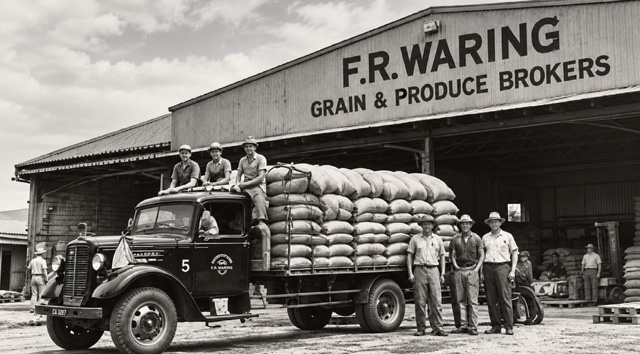
Frank Richard Waring established FR Waring in 1929 as a Cape Town broking business, linking farmers and processors of beans and pulses. His son, Frank Walter Waring (1908–2000), was a prominent South African rugby player. He played as an attacking centre for the University of Cape Town and Western Province, before earning seven caps for the Springboks in the early 1930s, debuting on South Africa’s 1931 tour of Britain and Ireland. After retiring from rugby, Frank turned to politics and business.
Frank became a member of the United Party in 1943, representing Orange Grove as its MP, and was one of the first English-speaking ministers when he joined the National Party in 1961. He served in several ministerial roles under Prime Ministers Hendrik Verwoerd and John Vorster, including Minister of Indian Affairs, Minister of Sport, Minister of Tourism and Minister of Information and Forestry. Frank retired from politics in 1972.
After joining and taking over the business from his father in the 1930s, Frank added a Johannesburg trading operation, also acting as a local broker and, among other ventures, a feed and fodder business supplying dairy farmers and racehorse owners from a central warehouse in Newtown. He laid the foundation for the physical trading reputation FR Waring still holds.
 1929
 1970
1970 to 1980
Taking the business international.
Frank Michael Waring was born to Frank and Joyce Waring in February 1947. Michael cut his teeth in trading from an early age. His first job during school holidays started in the same Newtown warehouse established by his father. Working under Alec Hershowitz, Michael attended the daily Newtown auction, bidding for truckloads of lucerne bales and related products.
Even though local trading was going well, Michael wanted to take the business international. In the 1970s the five global grain and oilseed trading companies — Cargill, Louis Dreyfus, Bunge, Continental Grain and André & Cie — dominated international trade. After a year working in Switzerland for André & Cie, Michael was determined to build
FR Waring’s international grain and oilseeds business.
Sid Haynes began that effort. The great advance came when, after an evening at the Durban funfair, Michael persuaded Peter Lewis to join him in making FR Waring a leading agri-commodity trader in South Africa. Together with Roy Webber, the financial head at the time, and Peter’s commercial trading team, the business grew strongly.
1980 – 1990
A new era of trading.
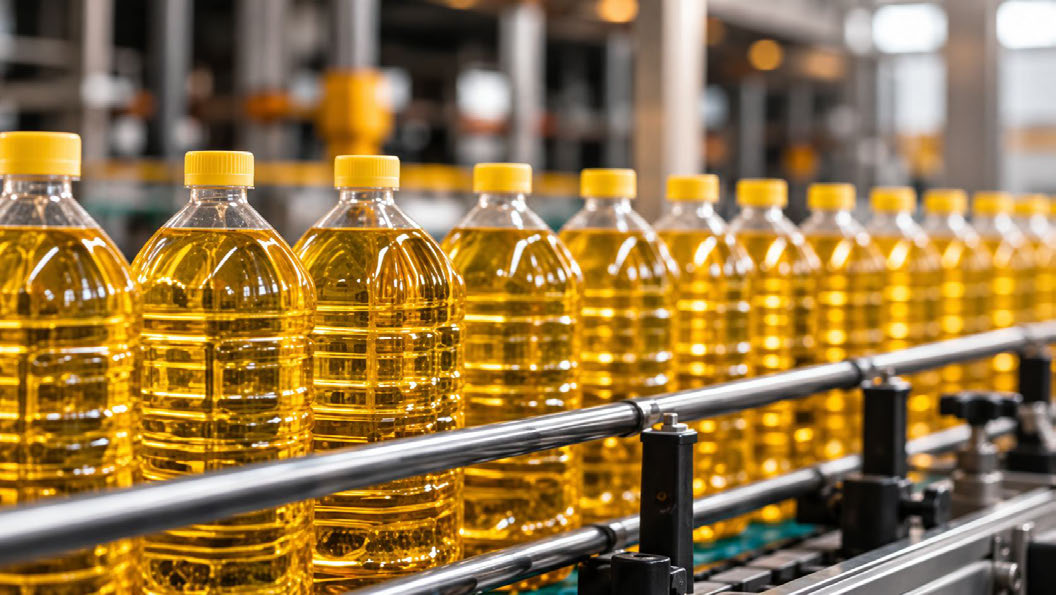
Christopher Berry, managing director from 1985 to 2006, is credited with positioning the business to thrive in the post-apartheid years of deregulation and free-market dynamics. He pioneered the vegetable oil trading desk in the early 1980s, after a series of poor summer crops led to sunflower oil imports into South Africa.
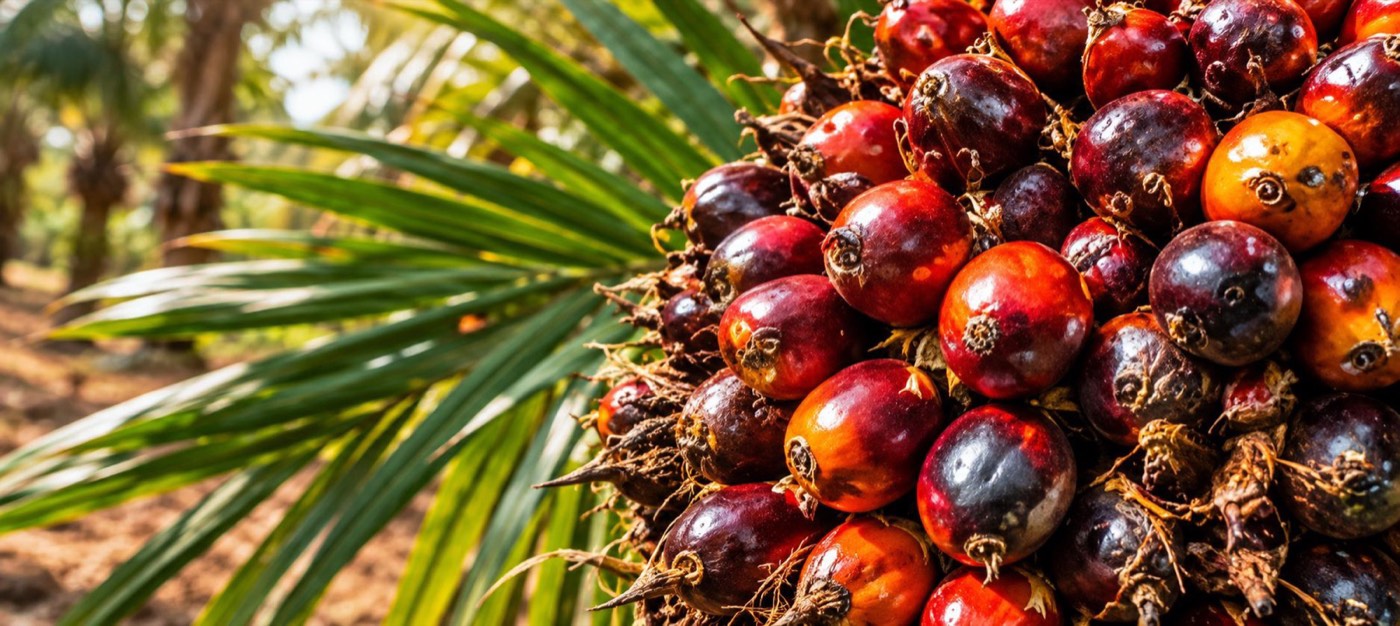
While Christopher remained focused on the vegetable oil desk, he assembled and mentored a team of traders active in local grain and oilseeds, oilcake proteins and groundnuts. He later initiated palm oil imports into South Africa in the mid-1980s.
After the agricultural boards were abolished in the 1990s, businesses with international physical trading experience and knowledge of futures and hedging were well positioned to add value. FR Waring expanded its presence in local and international grain trading, alongside the established oils and fats trade.
 1980
 2000
2000 to 2010
A sharper focus.
As the free market expanded and barriers to entry in grain trading dropped, margins in grains and cereals contracted. In 2003 the business consolidated its commercial trading activities. Grains, oilseeds, cereals and oilcake trading ceased so the company could focus on vegetable oils and fats.
Christopher Berry retired from trading in January 2006. The Leadership Team comprising Derrick Francis and JP Coppez took overall management responsibility for the group, and all commercial trading activities from 2006. Soft oil opportunities expanded through imports of refined soybean oil from South America. The trade agreement with the EU, concluded in 2000, opened origination of crude and refined soft oils from Northwest Europe as a competing flow. The summer droughts of 2006 and 2007 increased soft oil imports.
South Africa’s commodity boom from 2004 to 2007, and infrastructure spending related to the 2010 FIFA World Cup, largely insulated the country after the 2008 global financial crisis. From 2006 the business also started shipping palm oils to Kenya and Uganda. The extra tonnage to Mombasa was a successful freight advantage to the established palm oil programme into South Africa.
2010 to 2020
Growing across Africa.
Domestic soybean cultivation increased rapidly from 2011. Crushers grew soya crush capacity, which steadily reduced soft oil imports as more crude soybean oil was produced locally. The business was well placed to take a leading role in local oil origination, adding value to non-integrated crushers and refining customers in South Africa and across the border.
After the hyperinflation years in Zimbabwe, oils and fats processing capacity steadily increased in that country displacing imports of finished oils and fats from South Africa which created opportunities to supply processors in that country with raw material inputs.
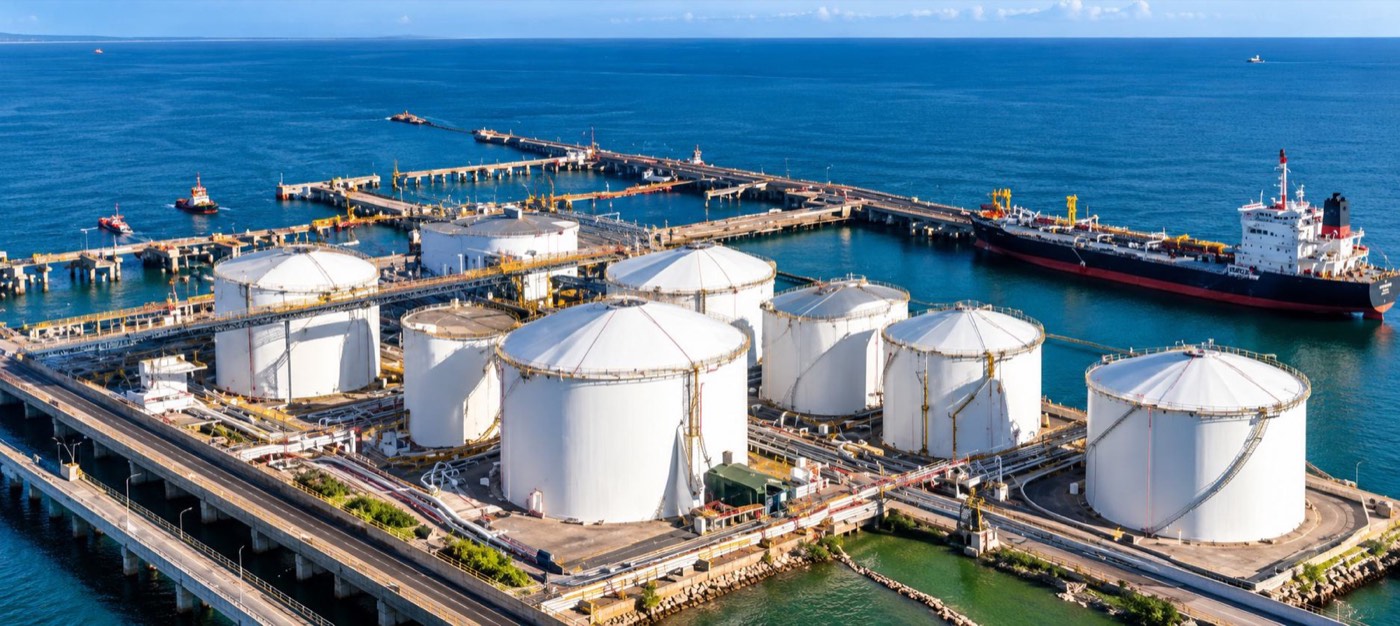
In 2017 the business initiated an ex-tank soft and palm oil distribution operation from Beira, Mozambique. In 2026 it completed a new build tank farm storage asset in the Port of Beira, from where customers in the region are supplied.
 2010
 Today
Today & tomorrow
Investing in the future.
Demand for grain, oilseed and vegetable oils continues to grow consistently, through local in-country value addition by processors across all our trading territories. Africa has always been slow to invest in infrastructure, but that is changing fast!
The future belongs to the brave, who are investors in infrastructure, including bulking and processing assets, across complex geographies in Africa. Our business on the continent is centred around being future focused - to identify the changes in trade patterns, and to exploit them early, by adding value, managing risk and building efficient, low-cost value chains. As a business, we have been doing this for nearly 100 years.
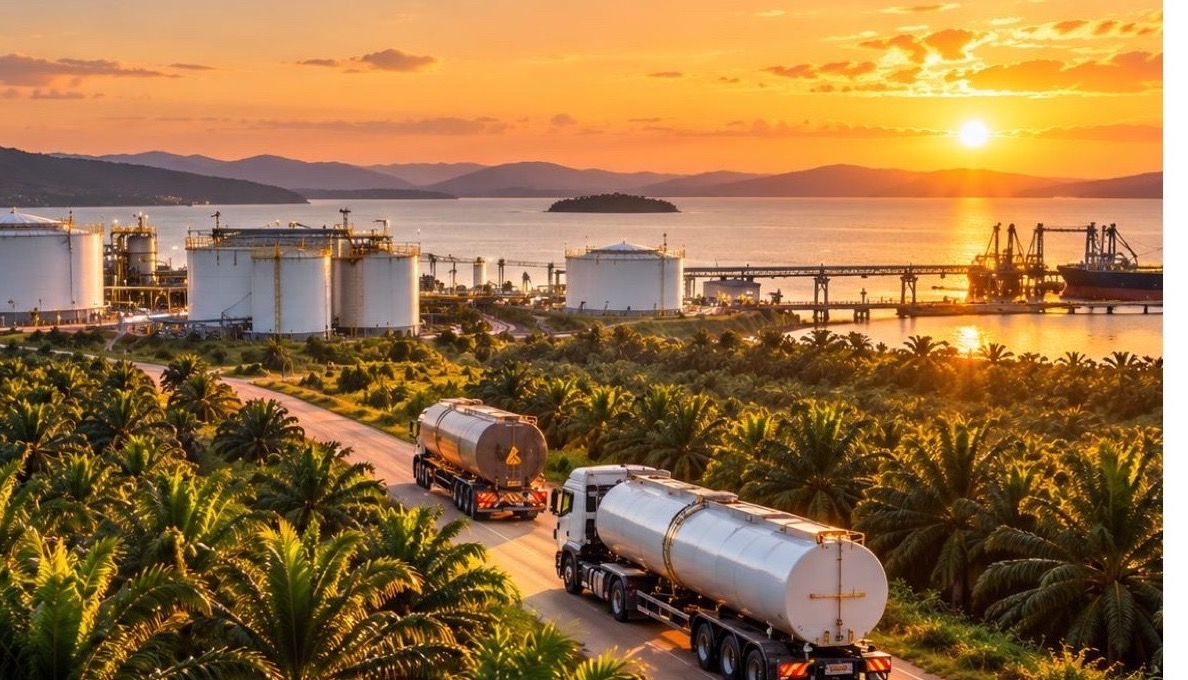
We see increasing opportunity in the oilseed complex and palm oil trading on the continent, led by the growing need to produce more food, more efficiently, towards a future of self-sustainability. Logistics and distribution costs remain high, and land locked countries in Africa remain challenged while working on transforming disadvantages into opportunities. Expansion in production, processing and consumption is leading to commercial trading and value adding opportunities, to participate more meaningfully across the value chain. The future looks promising!